Care That Cares for Your Whole Self
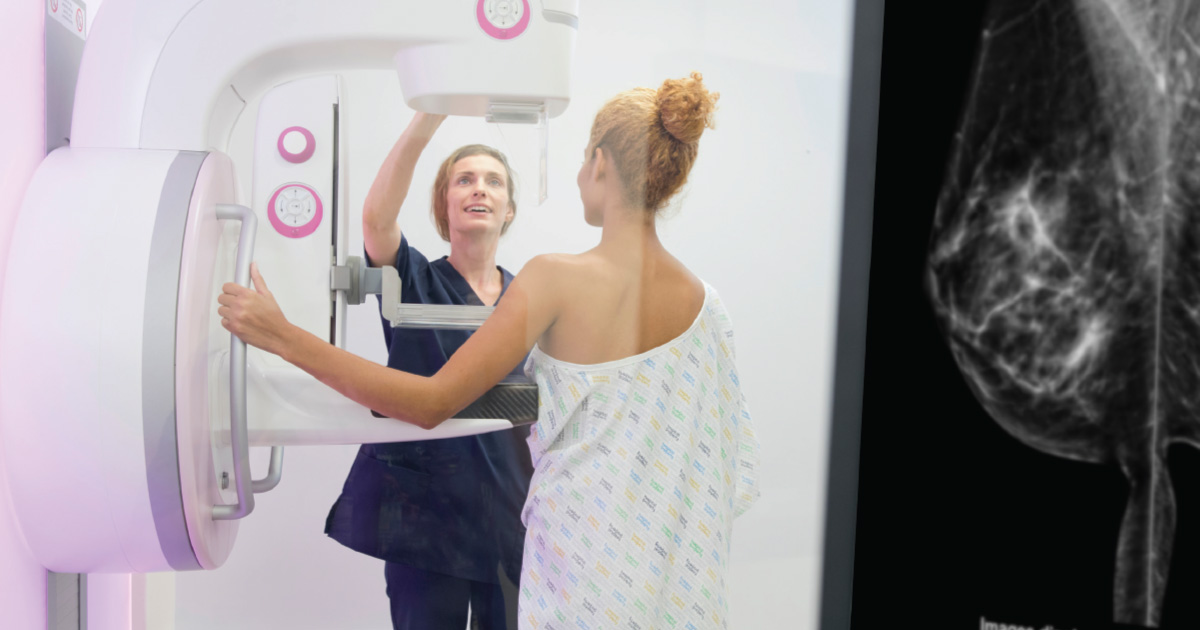
At Axia Women’s Health, we believe preventive care should go beyond the basics. Through our new Breast Arterial Calcification (BAC) Program, your routine 3D screening mammogram can now provide valuable information about your heart health – with no extra appointments, no extra time, and no additional radiation exposure.
Breast Arterial Calcifications are calcium deposits found in the arteries of the breast. While they are a benign (non-cancerous) finding on a mammogram, research shows that BAC can be an early indicator of cardiovascular disease and overall heart health risks in women.
This preventative screening is critical because heart disease is the #1 health threat to women. Cardiovascular health is crucial, yet early signs in women can often be subtle or missed.
Simple, Seamless, and Insightful
Adding the BAC evaluation to your appointment is completely hassle-free:
-
Opt-In Before Your Exam: When scheduling or checking in for your routine mammogram, let our team know you’d like to add the BAC assessment to your service.
-
Same Mammogram Images: Using advanced, FDA-cleared AI technology, our specialized breast radiologists analyze the images already taken during your standard mammogram to check for arterial calcification.
-
Actionable Results: Your report will detail whether BAC is present, giving you and your healthcare provider key insights to help proactively manage your cardiovascular wellness.
Answering Frequently Asked Questions
Q: What are Breast Arterial Calcifications (BAC)?
A: BACs are calcium build-ups in the arteries within breast tissue. They are common, non-cancerous, and incidental findings on standard mammograms, but they offer valuable clues about the condition of blood vessels throughout your body.
Q: Will this require an extra scan or extra radiation?
A: No. The BAC evaluation uses the exact same images taken during your standard screening mammogram. There are no additional x-rays, no extra appointments, and no added time in the imaging room.
Q: Why isn’t this covered by insurance?
A: While clinical research strongly links BAC to cardiovascular health, insurance companies currently classify AI-assisted BAC reporting as an elective supplemental assessment. Because of this, it is offered as a self-pay service for $90.
Q: What happens if BAC is found on my mammogram?
A: If BAC is detected, your results will be shared with you and your healthcare provider. Your provider can help you determine if further cardiovascular risk assessments or simple lifestyle interventions are recommended.