
Pelvic floor disorders are more common than many women realize, but they’re often left untreated because talking about symptoms can feel uncomfortable or embarrassing. The good news is you don’t have to live with these concerns. In this blog, we’ll walk you through what urogynecology is, when it may be time to see a specialist, what to expect at your first appointment, and the treatment options available to help you feel your best.
What Is Urogynecology?
Urogynecology is a specialized field of women’s health focused on diagnosing and treating conditions that affect the pelvic floor, bladder, and reproductive organs. Whether you’re experiencing urinary leakage, pelvic pressure, or other concerns, a urogynecologist can help you find relief and improve your quality of life.
What Is a Urogynecologist?
A urogynecologist is a physician who has completed specialized training in both gynecology and female pelvic medicine and reconstructive surgery. These providers focus on conditions involving the muscles, ligaments, and connective tissues that support the bladder, uterus, vagina, and rectum.
Because pelvic floor disorders can affect multiple areas of the body, urogynecologists take a comprehensive approach to diagnosing and treating symptoms.
What are the common reasons to see a urogynecologist?
Women of all ages can benefit from seeing a urogynecologist. Whether you’re dealing with frequent UTIs, leaking urine when you sneeze or cough, or other changes in your pelvic health, you’re not alone, and help is available. Some of the most common reasons to see a urogynecologist include:
- Urinary incontinence (leaking urine when you laugh, cough, sneeze, or exercise)
- Frequent or urgent urination
- Overactive bladder symptoms
- Recurrent urinary tract infections (UTIs)
- Pelvic organ prolapse (when the bladder, uterus, or rectum drops into the vaginal canal)
- Pelvic pressure or heaviness
- Difficulty emptying the bladder
- Bowel control issues or fecal incontinence
- Painful intercourse related to pelvic floor dysfunction
These symptoms are common, especially after pregnancy and childbirth, during menopause, or as women age, but they are not something you have to live with.
What Is the Difference Between a Gynecologist and a Urogynecologist?
Both gynecologists and urogynecologists care for women’s reproductive health, but their areas of expertise differ.
A gynecologist provides routine women’s healthcare, including annual exams, Pap smears, contraception counseling, menopause management, and treatment of common gynecologic conditions.
A urogynecologist receives additional specialized training to diagnose and treat complex pelvic floor disorders, bladder conditions, urinary incontinence, and pelvic organ prolapse.
Think of it this way: your gynecologist is often your first resource for women’s health concerns, while a urogynecologist is the specialist you may be referred to for advanced evaluation and treatment of pelvic floor problems.
What Happens During an Urogynecology Exam?
Many women feel nervous before their first urogynecology appointment, but the exam helps your provider fully understand your symptoms and create a personalized treatment plan.
Your evaluation may include:
- A detailed review of your medical history and symptoms
- Questions about bladder, bowel, and pelvic floor concerns
- A physical and pelvic examination
- Assessment of pelvic floor muscle strength
- Evaluation for pelvic organ prolapse
- A urine sample to check for infection or other issues
Depending on your symptoms, your provider may also recommend specialized testing to evaluate bladder function or pelvic floor support.
What Happens During Your First Visit with a Urogynecologist?
The first appointment is largely focused on understanding your concerns and identifying the cause of your symptoms.
During your visit, your urogynecologist will discuss:
- Your symptoms and how they affect your daily life
- Previous pregnancies, deliveries, and surgeries
- Current medications
- Medical conditions that may contribute to pelvic floor issues
After your examination, your provider will discuss treatment options that may include:
- Lifestyle modifications
- Pelvic floor physical therapy
- Medications
- Pessary placement (a removable device that helps support pelvic organs)
- Minimally invasive procedures
- Surgical treatment if needed
Many women leave their first appointment feeling relieved to finally have answers and a clear path forward for their care.
What Is the Most Common Urogynecology Surgery?
One of the most commonly performed urogynecology procedures is surgery for pelvic organ prolapse, a condition that occurs when weakened pelvic floor muscles allow the bladder, uterus, or rectum to shift from their normal position.
Another frequently performed procedure is surgery to treat stress urinary incontinence, which causes urine leakage during activities such as coughing, sneezing, laughing, or exercise.
Today’s urogynecology surgeries are often performed using minimally invasive techniques, which may result in smaller incisions, less discomfort, and faster recovery times compared to traditional surgery.
Not every patient requires surgery. In many cases, conservative treatments such as pelvic floor therapy, pessaries, or medication can provide significant symptom relief.
Do You Need a Referral to See a Urogynecologist?
In many cases, you do not need a referral to schedule an appointment with a urogynecologist. However, referral requirements may vary depending on your insurance plan.
Some patients choose to schedule directly with a urogynecology specialist, while others are referred by their primary care provider, gynecologist, or another healthcare professional.
If you’re unsure whether a referral is required, your healthcare provider’s office or insurance company can help you determine your coverage and next steps.
When Should You Seek Care?
If bladder leaks, pelvic pressure, urinary urgency, or other pelvic floor symptoms are affecting your daily life, know that effective treatment options are available. You don’t have to accept these symptoms as a normal part of aging, childbirth, or menopause. A urogynecologist can help identify the cause of your concerns and develop a treatment plan that allows you to return to the activities you enjoy most.
The urogynecology specialists at Axia Women’s Health provide compassionate, expert care for women experiencing pelvic floor disorders, bladder concerns, and pelvic organ prolapse. If you’re ready to find answers and explore treatment options, schedule an appointment with an Axia Women’s Health provider today.
Find Urogynecology Care Near You
Center for Urogynecology and Pelvic Health
Institute for Female Pelvic Medicine and Reconstructive Surgery – North Wales
Institute for Female Pelvic Medicine and Reconstructive Surgery – Allentown
Similar Articles

November 7, 2026

November 1, 2026

September 13, 2026

September 1, 2026
Frequently Asked Questions About Center For Healthy Living
Read More
August 11, 2026

August 4, 2026
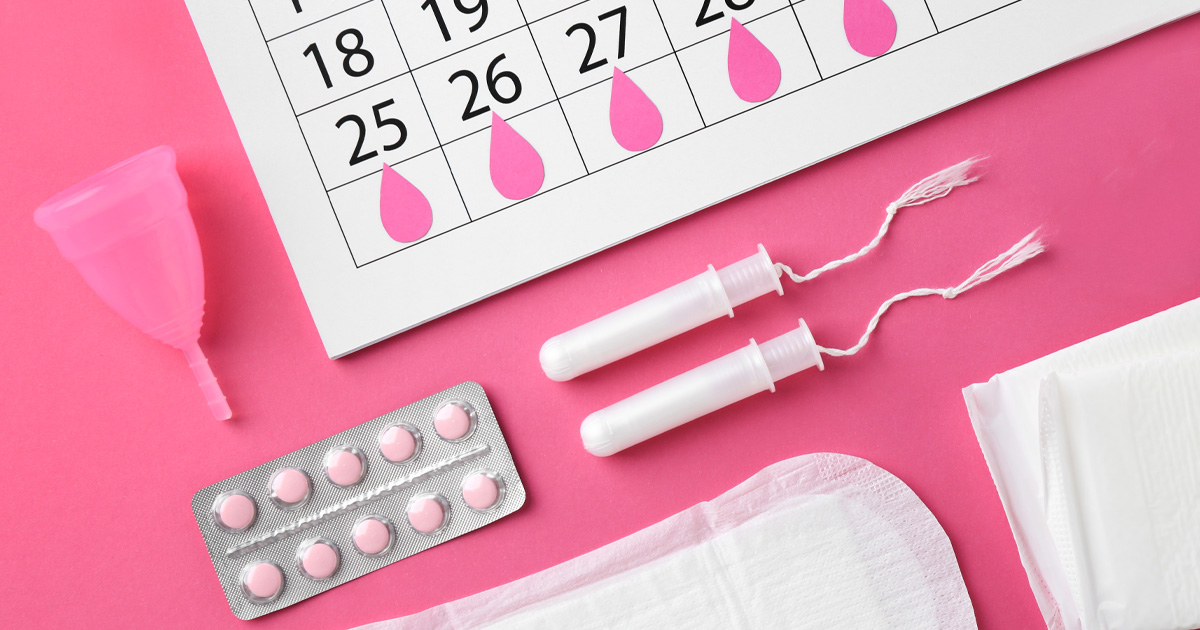
When Your Period Isn’t Going With The Flow: What’s Normal, What’s Not
What's Up, Down There
Read More
August 2, 2026

August 1, 2026

July 27, 2026
Your Virtual Visit Made Easy
Read More
July 7, 2026

July 7, 2026

July 7, 2026
Could It Be Perimenopause? Recognizing the Signs and Knowing When to Seek Care
Read More
July 7, 2026
How to Avoid Insurance Surprises at Your Next OB/GYN Visit
Patient Resources, Preventive Care
Read More
July 7, 2026
Why You Still Need an Annual Well-Woman Exam—Even If You’re Not Due for a Pap Smear
Preventive Care
Read More
June 5, 2026

June 5, 2026
May 7, 2026

April 14, 2026
April 14, 2026

March 6, 2026

March 6, 2026

February 16, 2026
Understanding Your Pregnancy Odds: A Guide to Fertility in Your 20s, 30s, and 40s
Pregnancy
Read More
February 16, 2026

February 5, 2026

November 10, 2025

November 10, 2025
September 15, 2025
September 15, 2025

September 15, 2025
A Study about Mom’s Wellbeing & Maternal Attitudes
Read More
August 12, 2025

July 14, 2025
5 Things You Didn’t Know About Your Ovaries
Read More
May 7, 2025

April 7, 2025

April 7, 2025

March 10, 2025

March 10, 2025

February 5, 2025

February 5, 2025

February 4, 2025

January 7, 2025

January 7, 2025

November 13, 2024

November 13, 2024
What’s That Bump? A Guide To Decoding Below-The-Belt Bumps
Self-care, What's Up, Down There
Read More
October 8, 2024

October 8, 2024

August 22, 2024

August 22, 2024

July 24, 2024
July 24, 2024

June 24, 2024

June 24, 2024

May 24, 2024

May 24, 2024

April 23, 2024

March 21, 2024

February 20, 2024

January 22, 2024

January 22, 2024

November 21, 2023

November 14, 2023
Changing Your Quality of Life: Tara’s Story of Overcoming Urinary Incontinence
Bladder & Pelvic Health
Read More
October 23, 2023

October 23, 2023

September 19, 2023

September 19, 2023

August 21, 2023

August 21, 2023

July 21, 2023
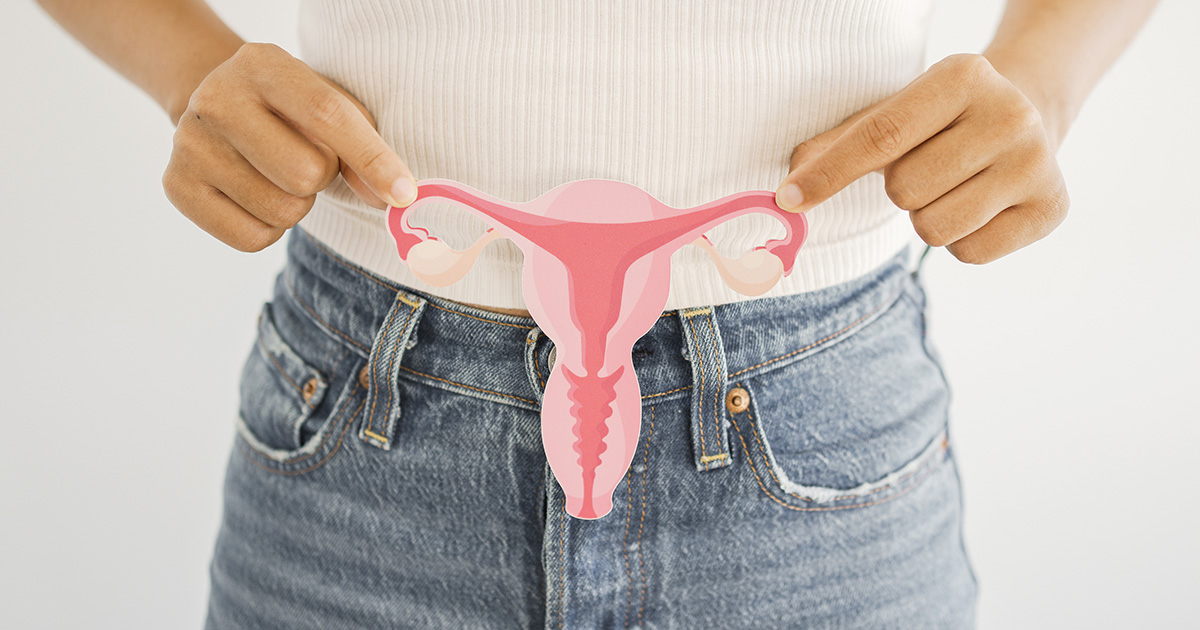
Everything You’ve Wanted To Know About Your Uterus
Patient Resources, What's Up, Down There
Read More
July 21, 2023

June 22, 2023

June 21, 2023

May 22, 2023

May 22, 2023

April 19, 2023

April 19, 2023

April 19, 2023

March 21, 2023

March 21, 2023

March 21, 2023

February 15, 2023

February 14, 2023

January 18, 2023

January 3, 2023
What You Need to Know About Birth Defect Prevention: A Candid Consult
Pregnancy, Preventive Care
Read More
January 1, 2023

December 16, 2022

December 16, 2022

December 15, 2022

December 14, 2022

November 14, 2022

November 13, 2022

October 19, 2022

October 19, 2022

October 19, 2022

October 3, 2022

September 20, 2022

September 20, 2022
September 20, 2022
Polycystic Ovarian Syndrome (PCOS): What You Need to Know
Bladder & Pelvic Health, Gynecology
Read More
August 16, 2022

August 15, 2022

August 15, 2022

August 15, 2022

July 20, 2022

July 20, 2022

July 20, 2022

July 20, 2022

July 14, 2022

June 21, 2022

June 21, 2022

June 21, 2022

May 20, 2022

May 20, 2022

May 3, 2022

April 18, 2022
What’s Up, Down There: Why Do We Get Pain Back There During Our Period?
Gynecology, What's Up, Down There
Read More
April 18, 2022

March 18, 2022

March 15, 2022
What’s Up, Down There: Understanding Your Menstrual Cycle
Gynecology, What's Up, Down There
Read More
March 15, 2022

March 15, 2022

February 14, 2022

February 11, 2022

February 11, 2022

February 11, 2022

January 12, 2022

January 12, 2022
What’s Up, Down There: Everything You’ve Wanted to Know About Pubic Hair
Gynecology, What's Up, Down There
Read More
January 1, 2022

December 14, 2021

December 14, 2021

November 8, 2021
The COVID-19 Vaccine & Changes in Your Period: A Conversation with Axia’s Chief Medical Officer
COVID-19, Gynecology
Read More
November 8, 2021

November 8, 2021

November 8, 2021

October 18, 2021

October 18, 2021

October 18, 2021

September 24, 2021

September 20, 2021

September 20, 2021
I’ve Developed Gestational Diabetes. Now What?
Exercise & Nutrition, Fourth Trimester, Pregnancy
Read More
September 10, 2021

August 13, 2021
How Hormones Affect Digestion From Pregnancy to Menopause
Menopause, Pregnancy, Preventive Care
Read More
August 13, 2021

August 13, 2021

August 13, 2021

July 14, 2021

July 14, 2021

July 14, 2021

July 14, 2021

June 11, 2021
Pelvic Floor Physical Therapy: Why Kegel Exercises Aren’t Everything
Bladder & Pelvic Health
Read More
June 11, 2021

June 7, 2021

June 2, 2021

May 17, 2021

May 17, 2021

April 30, 2021

April 13, 2021

April 9, 2021

April 9, 2021
Top 10 STD Questions You May Be Too Embarrassed To Ask Your Doctor
Gynecology, Preventive Care
Read More
March 16, 2021

March 16, 2021

February 19, 2021

February 19, 2021

January 22, 2021
Candid Consult: Discussing Race in Healthcare
Read More
January 22, 2021

January 19, 2021
What You Should Know About Cervical Cancer: A Candid Consult with Dr. McDonald
Bladder & Pelvic Health, Cancer
Read More
December 17, 2020

December 17, 2020

December 17, 2020

November 23, 2020
November 23, 2020

October 27, 2020

October 27, 2020

October 1, 2020
Your Breastfeeding Journey Series: How to Care for Your Breast Pump and Accessories
Fourth Trimester
Read More
September 24, 2020

September 1, 2020

September 1, 2020

August 25, 2020
August 24, 2020

August 3, 2020

July 28, 2020

July 23, 2020

June 22, 2020

June 22, 2020

May 21, 2020

May 20, 2020

April 27, 2020

March 11, 2020

February 20, 2020

January 21, 2020

December 10, 2019

November 15, 2019

October 4, 2019

September 17, 2019

September 9, 2019

July 22, 2019

July 15, 2019

July 11, 2019

June 24, 2019

June 10, 2019

May 12, 2019

May 11, 2019

May 10, 2019

May 10, 2019

May 10, 2019
May 9, 2019

May 8, 2019
Post-Partum Depression: Moving Out of the Shadows into a Community of Support
Fourth Trimester, Mental Health
Read More
April 3, 2019

March 5, 2019